Learning Workshop – Agroecology for Biodiversity and Livelihoods: Building Capacity and Partnerships in Africa
22. - 24.06.2026
Bomet, Kenya
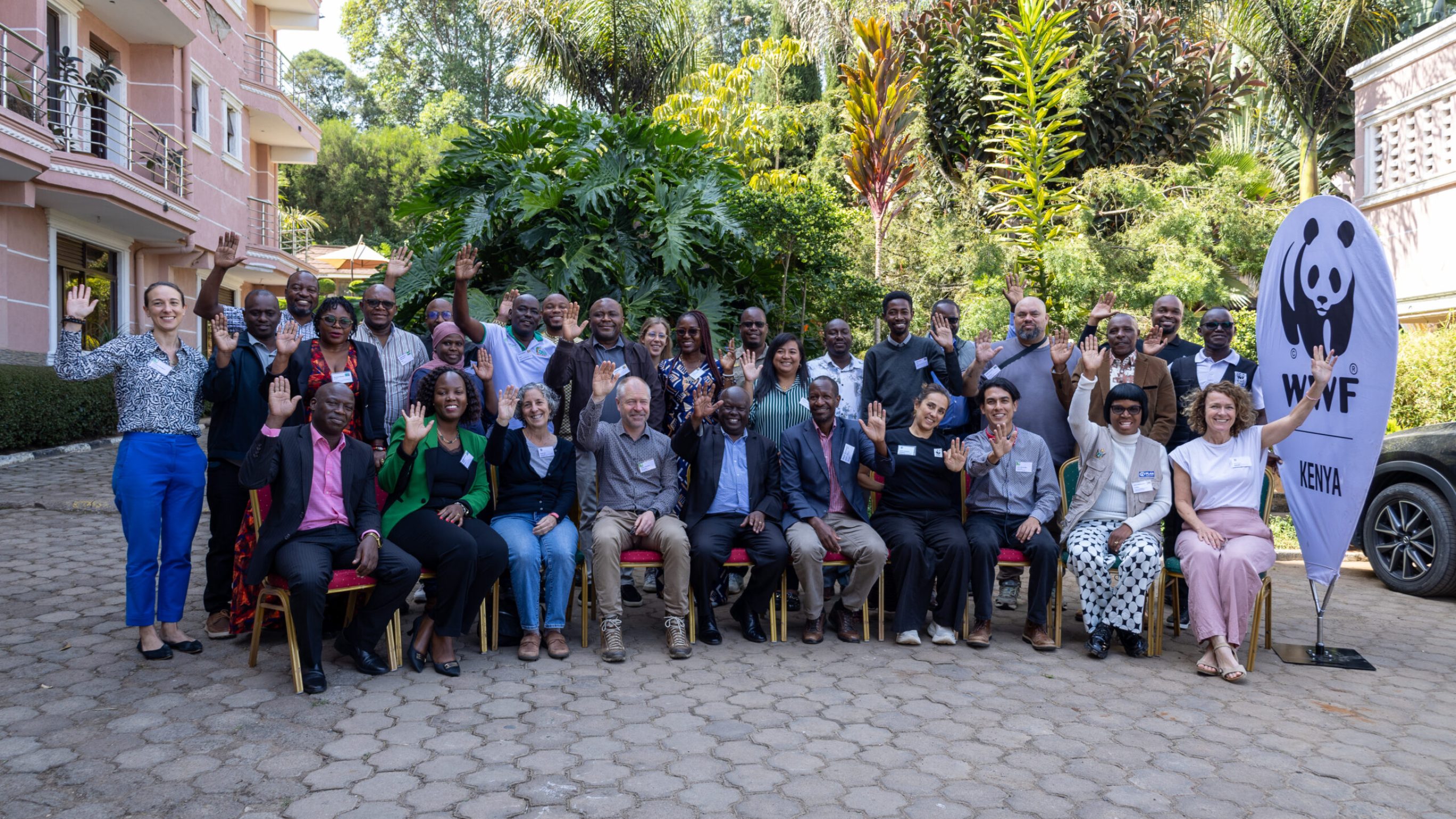
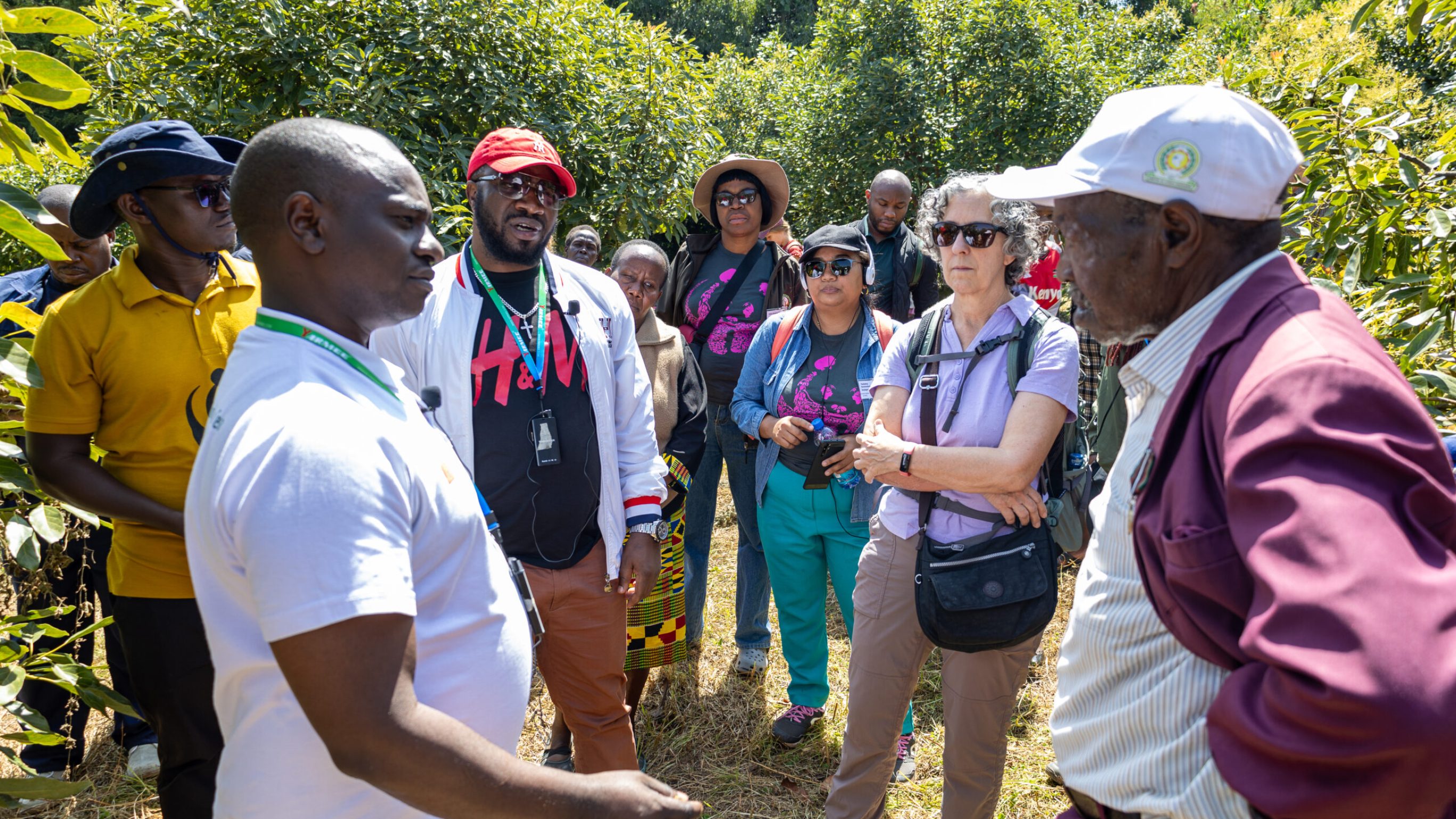
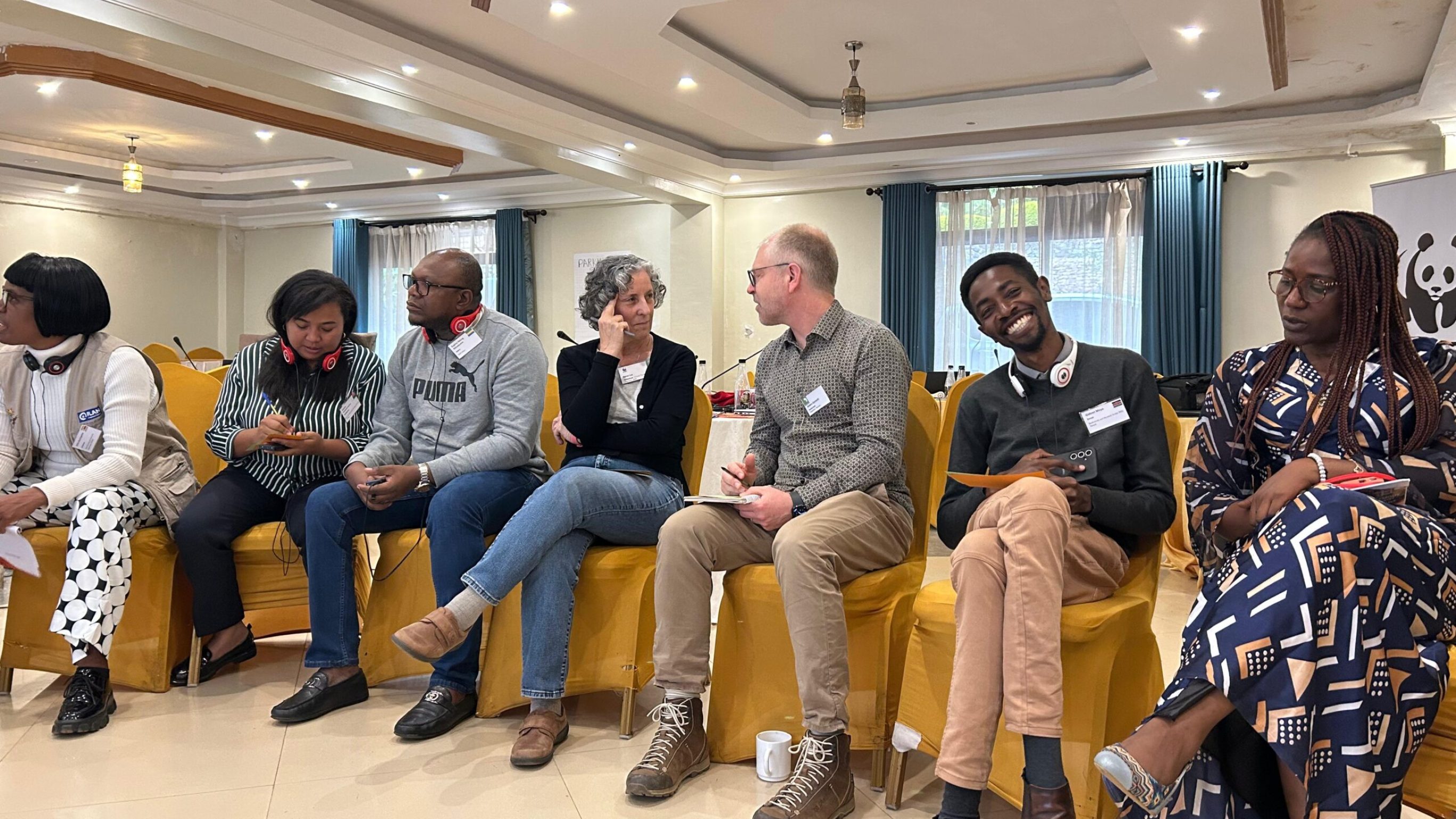
From 22–25 June 2026, Biovision and WWF International co-organized the learning workshop „Agroecology for Biodiversity and Livelihoods: Building Capacity and Partnerships in Africa“ in Bomet, Kenya. The workshop brought together WWF staff and representatives from agroecology organizations across 11 African countries to strengthen understanding of the links between agroecology, biodiversity conservation, and sustainable livelihoods. Through farm visits, case studies, and interactive discussions, participants explored practical approaches for integrating agroecology into conservation landscapes and fostering collaboration across sectors. The workshop also provided a platform to exchange experiences, build new partnerships, and identify opportunities for advancing agroecology and nature-positive food systems.
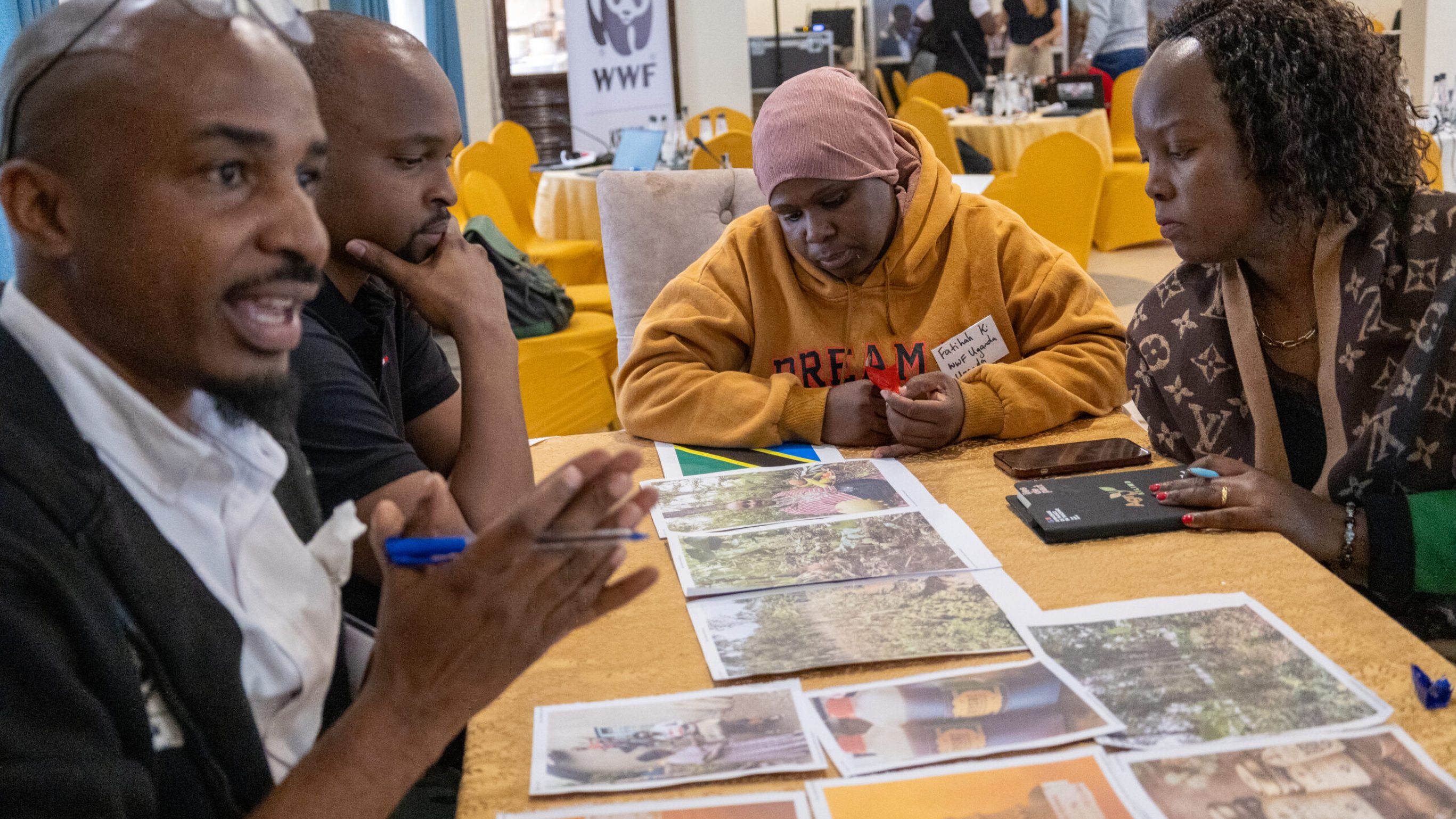
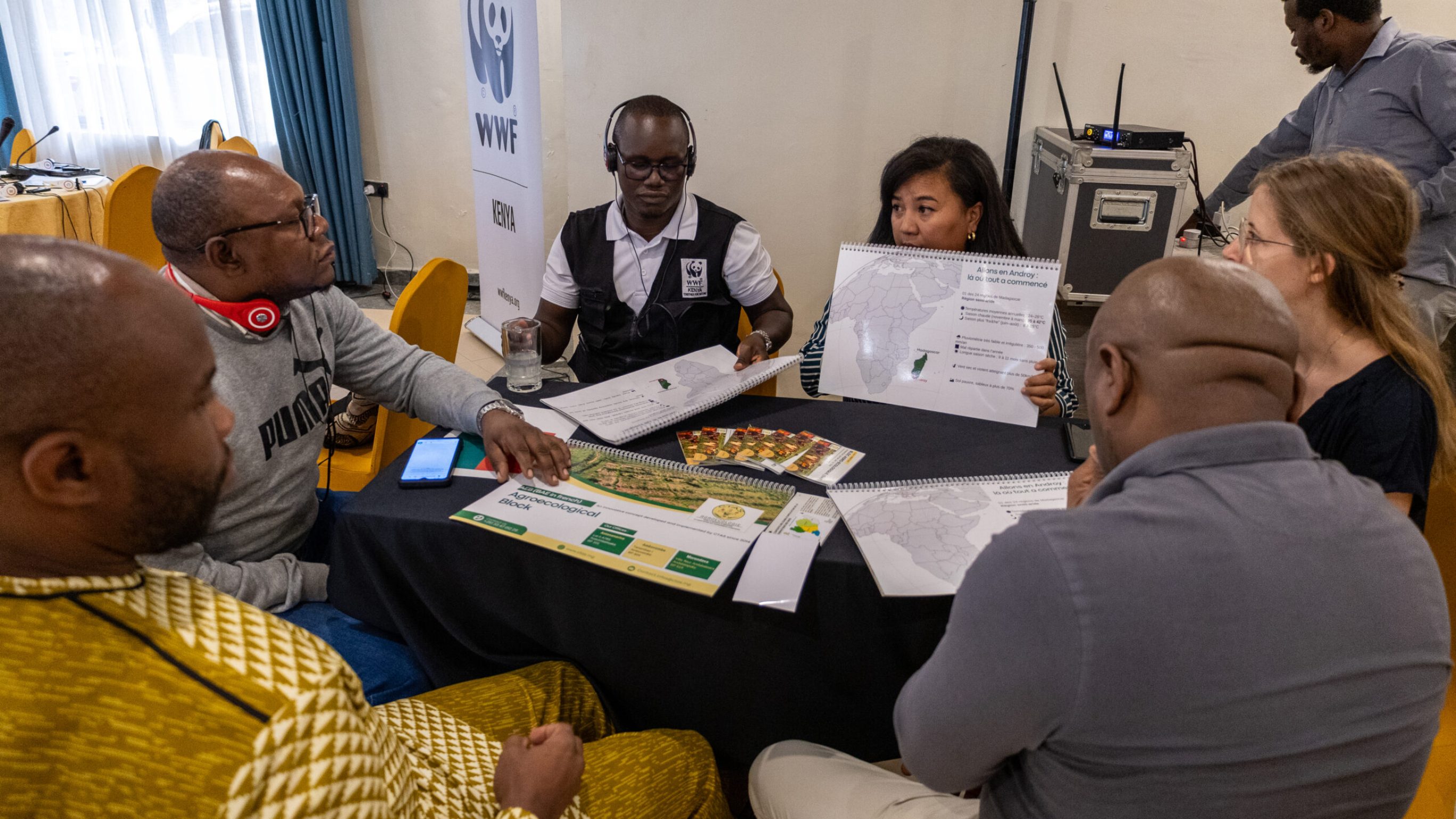
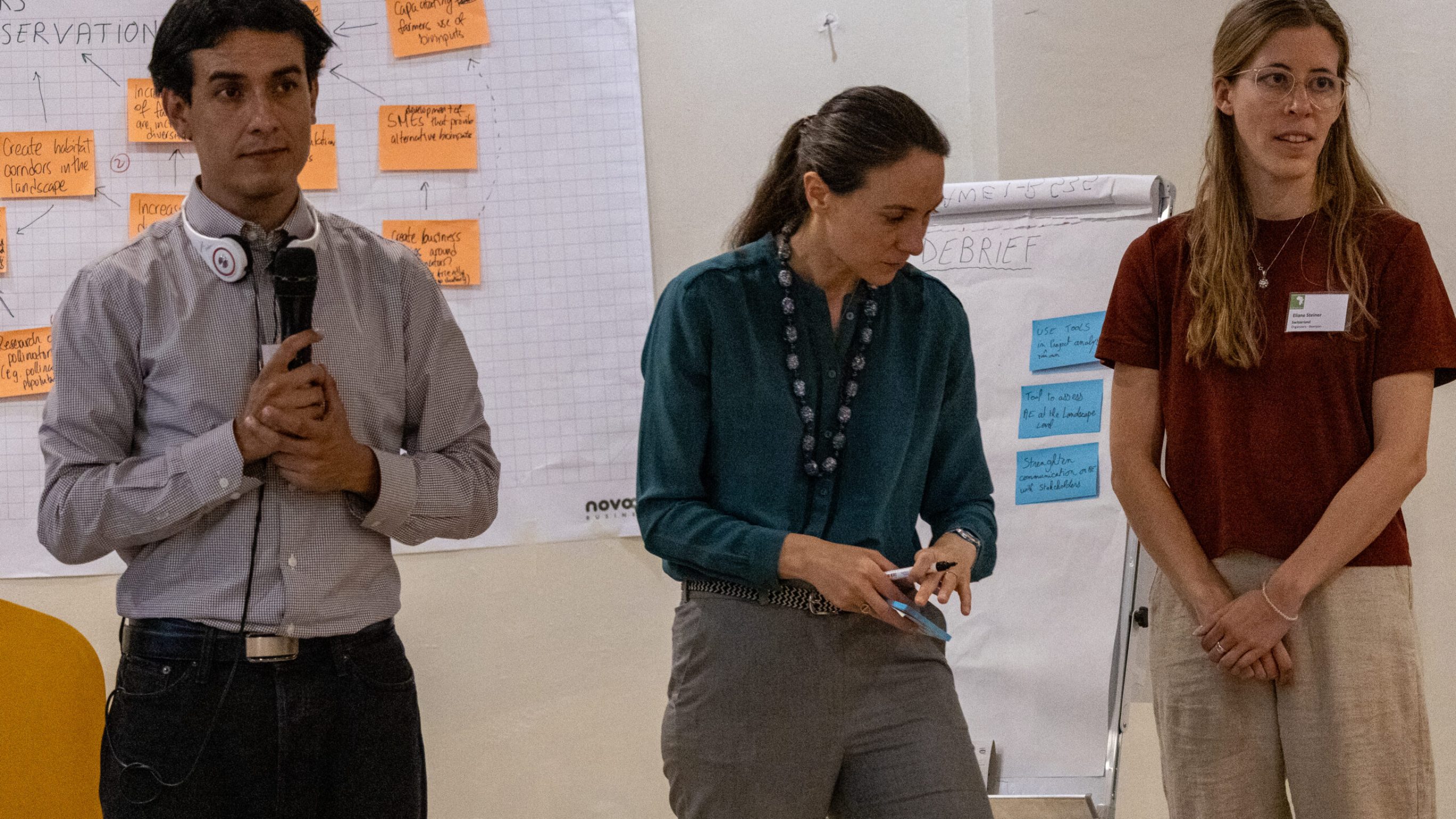
The 3-day programme combined input presentations with highly interactive formats, including project fairs, group work, panel discussions, and field visits, allowing participants to exchange practical experiences from different African contexts. Discussions focused on translating agroecological principles into concrete biodiversity outcomes, identifying enabling conditions for implementation, and exploring approaches to monitoring and measuring progress. Participants also examined the role of entrepreneurship, policy, finance, and communication in supporting agroecological transitions at landscape level. Throughout the workshop, a strong emphasis was placed on co-creation, peer learning, and building partnerships between conservation and agroecology actors.