
Strengthening Ethiopian agriculture with Push-Pull
In Ethiopia, droughts and pests threaten the existence of smallholder farms. With innovative approaches and smart methods, we aim to sustainably increase farmers’ yields and incomes – while helping to build a market for agroecological products.
Context: Droughts and pests threaten harvests
Ethiopian smallholder farmers often face significant crop losses due to pest infestations and droughts. This situation has been exacerbated by population growth and the impacts of climate change. For several years, Biovision and its partners have successfully used the Push-Pull technique to secure the yields of smallholder families. In the next phase, innovative approaches aim to address the ongoing challenges in the region.
Goals: Increasing field resilience
In a second phase, we aim to support even more farmers in implementing Push-Pull on their fields, thereby sustainably increasing yields and incomes. However, we not only promote the Push-Pull technique but also encourage the cultivation of diverse vegetable crops. The more diverse the fields are cultivated, the more resilient individual farms become. One major challenge in establishing Push-Pull and sustainable agriculture in the region is the frequent lack of seeds for plants like Desmodium and Brachiaria. To address this, more and more farmers are to be trained as seed producers.
Ultimately, Biovision aims to permanently establish the Push-Pull technique in the region. This requires bringing together the most important actors in the value chain. Local advocacy groups, innovation platforms, and a network of demonstration farms will be involved to further enhance the visibility of Push-Pull and crop diversification as an agroecological management system.
At a glance
Project name:
Push-Pull to Combat Drought and Pests
Beneficiaries: Ethiopia
Partner organizations:
International Centre of Insect Physiology and Ecology, Icipe
Project budget in CHF :
401005
Project Officer:
Project phase: 2026-2028
The project addresses the following SDGs from UN Agenda 2030:
Region
Impact to date: Significant increase in yields
During the first project phase, the Push-Pull technique significantly increased the yields and incomes of smallholder families. The soils of the participating farms are now more fertile and resilient to extreme climate events. Local groups of stakeholders, farms, and companies were involved to further raise awareness of Push-Pull. Livestock yields, especially from animals fed with Brachiaria or Desmodium, have also increased significantly.
Additionally, some farmers have started to diversify their cultivation by introducing new crops such as soybeans, beans, and chickpeas.
Next steps: Strengthening seed systems, anchoring Push-Pull
In the new project phase, the focus is on establishing local seed systems for Push-Pull in the regions of Hawassa, Halaba and Wolkite. The aim is to ensure the long-term availability of high-quality seeds for Desmodium and Brachiaria, the two key companion plants of the Push-Pull method. Farmers will be trained as seed producers and supported with registration, storage and marketing.
At the same time, the Push-Pull method will be further disseminated through targeted trainings, field days and demonstration plots. More than 700 new smallholder farmers will receive direct training, and the project is expected to reach over 8,000 people locally. Women and young people will be actively involved and serve as role models in their communities as so-called lead farmers.
To anchor Push-Pull in the national agricultural system, the project supports political processes: community groups and regional platforms engage in advocacy, while collaboration with the Ministry of Agriculture aims to develop national guidelines. Information campaigns, radio programmes and school materials will raise awareness of Push-Pull, healthy diets and agroecological farming methods.
More about this or similar projects
About us, Agriculture
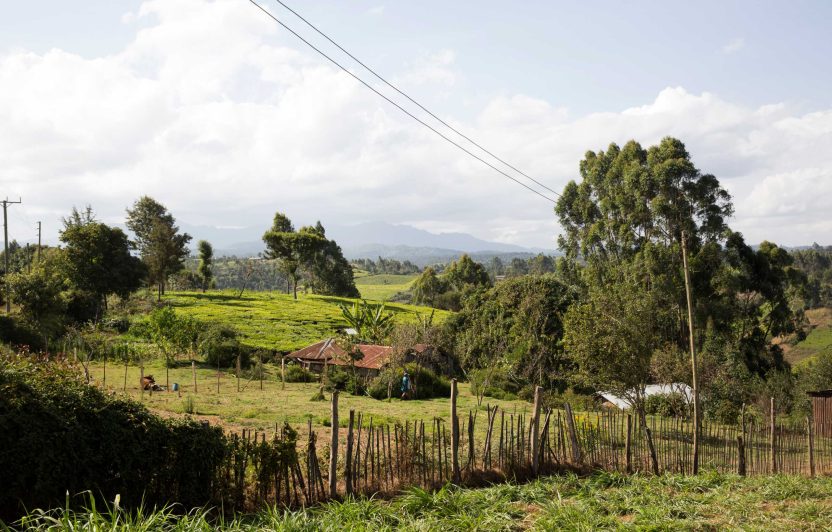
Why we need to fundamentally rethink our food system
In his lecture at the Nobel Talks series, Biovision’s Foundation Board President Hans Rudolf Herren explains why agroecology is a key lever for creating a fair and sustainable food system and what actions need to be taken politically and socially.
Markets, Politics
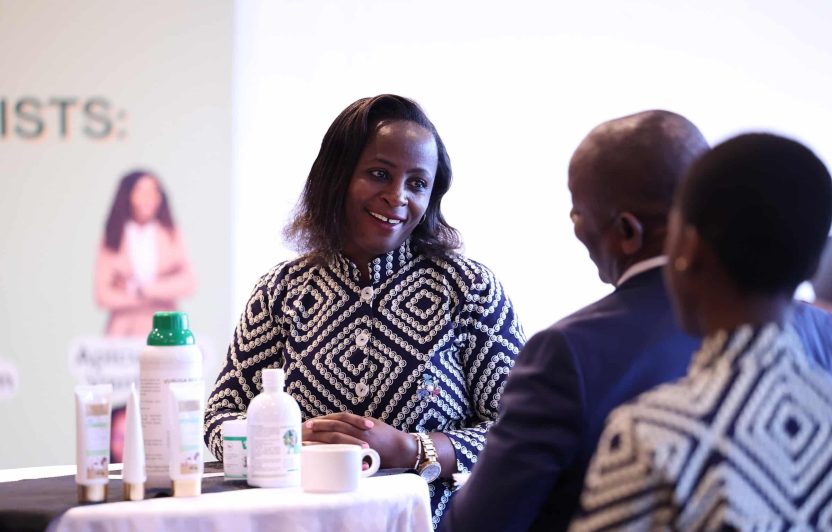
Making agroecology visible: A Biovision approach
Biovision is committed to improving the political framework conditions for agroecology. A key lever: the visibility of enterprises that successfully implement agroecology. These enterprises demonstrate that economic success and social commitment can go hand in hand, providing compelling evidence in favour of sustainable agricultural policies. In the video, we use the example of an award ceremony in Kigali, Rwanda, to demonstrate exactly how we shine the spotlight on these enterprises.

Politics
“Agroecology is key to restoring fertile soils”
Globally, soil quality is deteriorating at an alarming rate—millions of people are affected, and vast areas of agricultural land are being lost. Charlotte Pavageau from Biovision’s Policy & Advocacy team explains why strong political frameworks are essential, what needs to change, and how agroecology is already making an impact.