Clever Farmer in Tanzania

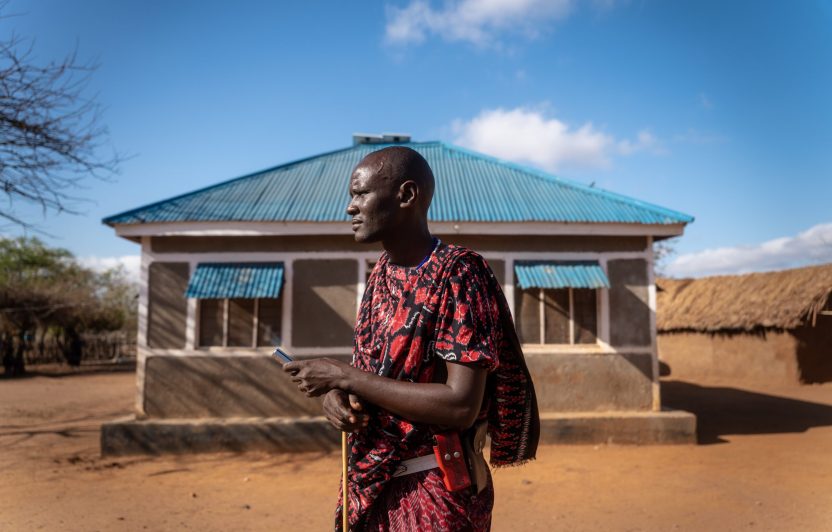
With support from Biovision, a practical guide for smallholder families is published in Tanzania. The name of the magazine: Clever Farmer.

Initial situation: Bridging science and practice

The Mkulima Mbunifu (Clever Farmer) magazine is written in Swahili and is published bimonthly in five regions of Tanzania (Arusha, Kilimanjaro, Tanga, Singida, and Manyara). This guide for smallholder families facilitates continuous and targeted knowledge and experience exchange between practical farming and science.

Through the website, SMS, or WhatsApp, readers can submit questions and feedback. This efficient feedback system and the close collaboration with local stakeholders ensure that the magazine truly addresses the needs of smallholder families. 
Goals: Spreading agroecological knowledge

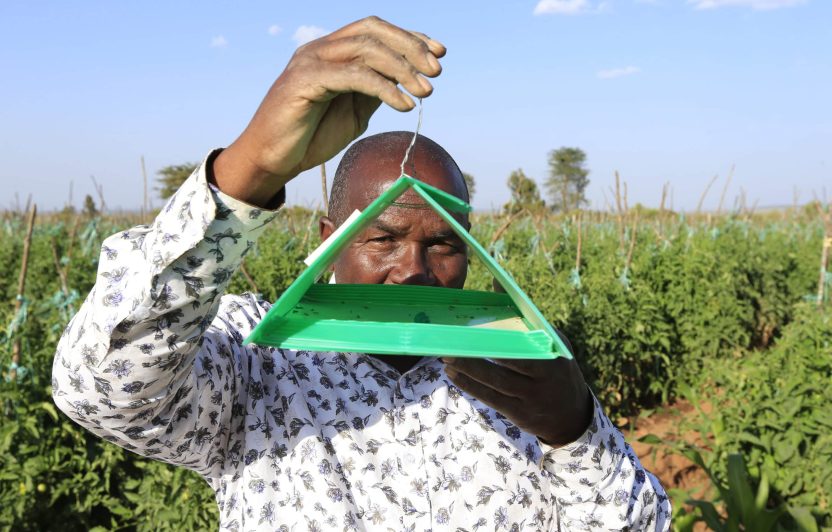
75,000 farmers use Clever Farmer to learn about sustainable farming practices, and around 25,000 of them actively implement these methods.

At a glance

Project name:

Clever farmer
Beneficiaries:
Tanzania
Partner organizations:

Biovision Africa Trust, BvAT

Sustainable Agriculture Tanzania, SAT

Project budget in CHF :

649588
Participants:
Agricultural advisors to the government
Employees of the local administration
Gardeners on the outskirts of the city
Gärtnerinnen und Gärtner am Stadtrand
Landwirtschaftsberatende der Regierung
Mitarbeitende der Lokalverwaltung
Smallholder farmers
Project Officer:
Project phase:
2023-2026
The project addresses the following SDGs from UN Agenda 2030:
Region

Impact to date: Effective dissemination of knowledge

Each year, Clever Farmer publishes six issues with a total circulation of 15,000 copies. This means the magazine reaches an average of 75,000 people per issue (five readers per copy). According to a 2022 survey, 96% of readers apply agroecological practices. Younger farmers primarily access the Clever Farmer website and Facebook page. By the end of 2022, the Facebook page had around 10,000 followers, and the website had been visited by approximately 30,000 people. 

Next steps: Strengthening agroecological communication

The magazine will continue to spread agroecological knowledge. Joint communication plans are being developed with district officials to promote agroecology and further strengthen the knowledge of agricultural advisors. The goal remains for Clever Farmer to become the magazine for smallholder farmers in Tanzania. 

Donate now

With your support, you make a significant contribution to fighting hunger and poverty, building confidence and strengthening self-determined living. The ZEWO seal of approval guarantees a conscientious and cost-conscious use of your donations.

CHF
CHF
CHF
CHF custom amount

To support this project or get further information, please contact

Sharon Nehrenheim
Head of Communication & Fundraising, Member of the Executive Committee
+41 44 512 58 13

More about this or similar projects

About us, Agriculture

How new Biovision projects come to life

Every Biovision project begins with a carefully designed development process. New projects do not emerge by chance, but where there is a concrete challenge within the food system and agroecological approaches have the potential to create lasting change.
Agriculture, Politics

Cutting Prevention Comes at a High Cost

Switzerland is making drastic cuts to its international cooperation budget – at a time when global crises are becoming ever more frequent. For Anders Gautschi, CEO of Biovision, this is a strategic mistake. In this interview, he explains why long-term international partnerships are essential for preventing crises and building lasting stability.
About us

From Niche to Mainstream: Advancing Agroecology

Bringing agroecology into the mainstream requires strong partnerships and supportive policy frameworks. 2025 Biovision focused its efforts precisely on these key levers.
Politics

When energy crises hit the food system

The current tensions in the Middle East are drawing attention to oil and energy markets. But the global food system can also come under pressure. Charlotte Pavageau from Biovision explains why this would hit the poorest households the hardest.