Revitalizing traditional knowledge
Context
In rural regions of Kenya, Zimbabwe and Uganda, smallholder farmers are particularly affected by the impacts of climate change. Irregular rainfall, soil erosion and the loss of traditional seed threaten food security. At the same time, old forms of land use, traditional values and spirituality are increasingly being pushed aside. Yet communities hold a rich treasure of traditional knowledge about how humans and nature can live in balance.
Goals
Through this project, Biovision strengthens the resilience of local communities by combining agroecological farming methods with traditional knowledge. Women, men and young people learn to preserve local seed and grow diverse, climate-resilient food to protect sacred natural sites. In doing so, they promote biodiversity and soil fertility, as well as cultural identity and social cohesion.
Project name:
Society for Alternative Learning and Transformation SALT (Kenya)
African Institute for Culture and Ecology AFRICE (Uganda)
EarthLore Foundation (Zimbabwe)
Project budget in CHF :
Impact to date
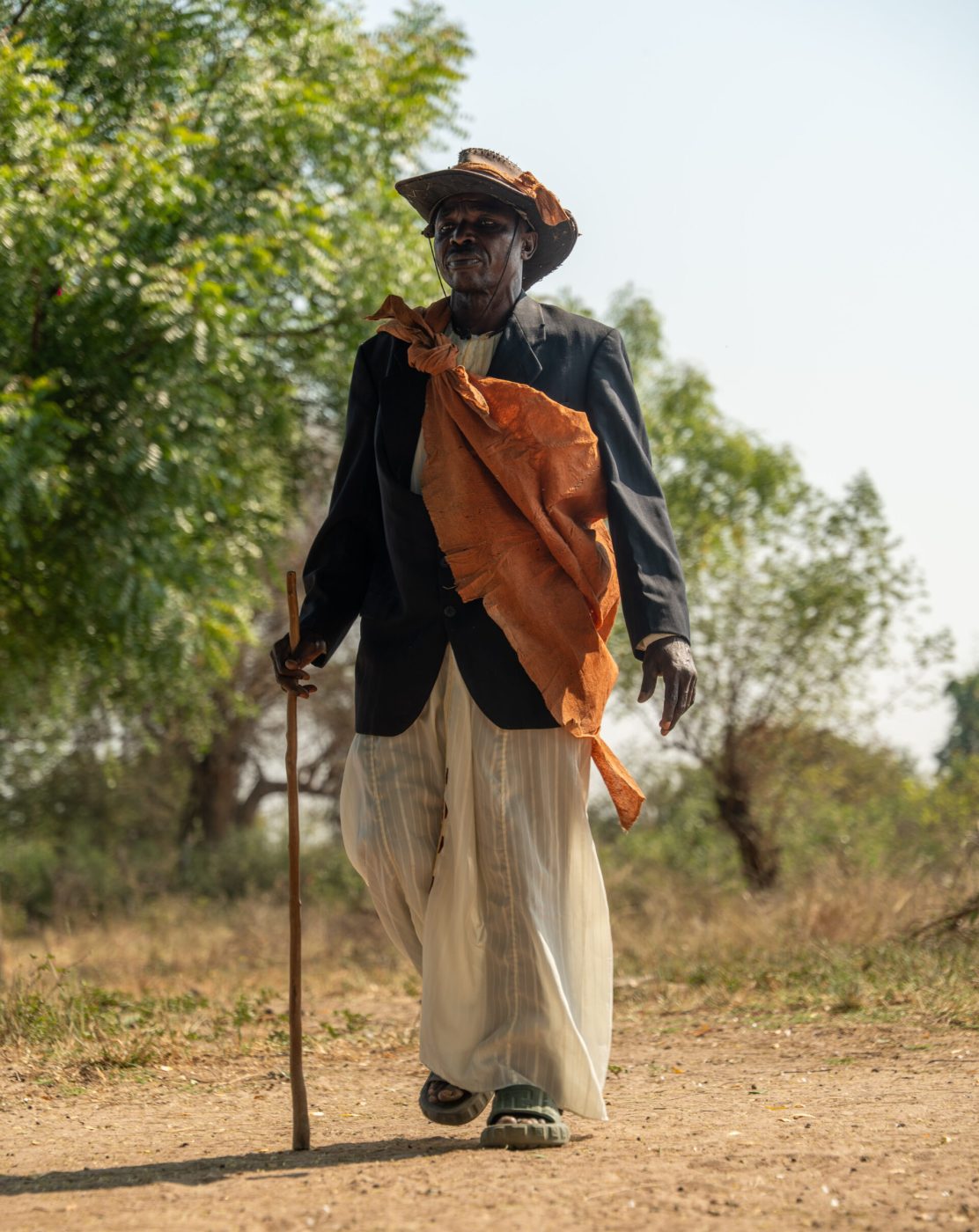
In the first project phase (2022–2025), Biovision and its partner organisations organized village dialogues and seed fairs, mapped sacred natural sites and revitalized traditional structures. In Kenya, Zimbabwe and Uganda, traditional rituals and community decision-making returned, strengthening responsible stewardship of land and water. The share of households using local seed increased significantly. Trust in traditional practices and the role of women and young people were also strengthened.
Facts and figures about the project
Next steps
Biovision and its partner organisations will deepen the work to date and encouraging more communities to get involved. Plans include training multipliers, establishing local seed banks and protecting further sacred natural sites. We will also strengthen networks advocating for recognition of traditional knowledge and agroecological approaches. Our goal: resilient landscapes and communities that can make self-determined decisions about their land and their future.