How bees protect mangroves on Zanzibar

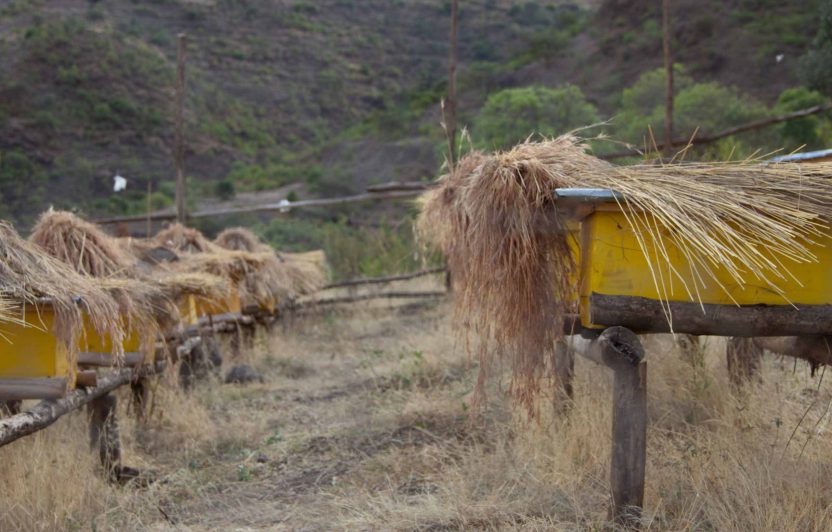
In Zanzibar, Biovision combines beekeeping with sustainable forest utilisation. The bees provide new sources of income with their honey. At the same time, they support reforestation measures and thus help to protect the endangered mangrove forests on the island. 

Background: Mangrove forests are becoming scarce

Mangrove forests are an elementary coastal ecosystem that fulfils important environmental functions: Protection from storm surges, less soil erosion, better water quality. Unfortunately, more and more of these sensitive habitats are being lost. In Zanzibar, too, large areas of mangrove forests are being cleared to produce charcoal. This is killing off one of the most important regional factors for resilience to climate change.

Goals: More trees, more bees, more awareness

Biovision wants to combine beekeeping with the use of so-called multifunctional trees. These trees not only provide nectar for the bees, but can also be used as firewood and animal feed and at the same time contribute to improving soil quality. As a result, people no longer search for firewood in the mangroves and they are protected.  

By linking beekeeping with sustainable forest utilisation, we want to raise awareness of the important functions of mangrove forests in coastal areas and thus curb the overexploitation and deforestation of these fragile ecosystems. 

At a glance

Project name:

Bees and mangroves on Zanzibar
Beneficiaries:
Tanzania
Partner organizations:

International Insect Research Institute icipe (Kenya)

Project budget in CHF :

411886
Participants:
Beekeepers
Smallholder farmers
Project Officer:
Project phase:
2026-2028
The project addresses the following SDGs from UN Agenda 2030:

This project is supported by SDC

Region
Topics
2025_Biovision_RaniNguyenIMG_9247
« Mangrove forests are one of the most important ecosystems in East Africa.»
Rani Nguyen, Programme Officer at Biovision

Impact to date: training courses are paying off

The project not only trains farmers in the production of honey. It also focuses on the organic cultivation of avocados and macadamia nuts.   

In addition, the farmer groups also receive training in marketing their new sources of income. Thanks to the project, there is now more food for the bees, healthier soil with more firewood and food for the farming families. And the mangrove forests now also enjoy greater protection and appreciation. 

Next steps: Expansion to Pemba

In the new project phase, the focus lies on expanding and deepening the activities – both on Unguja and the previously neglected island of Pemba. The goal is to protect mangrove forests while improving the income of rural communities through sustainable beekeeping and reforestation with native, fast-growing nectar plants.


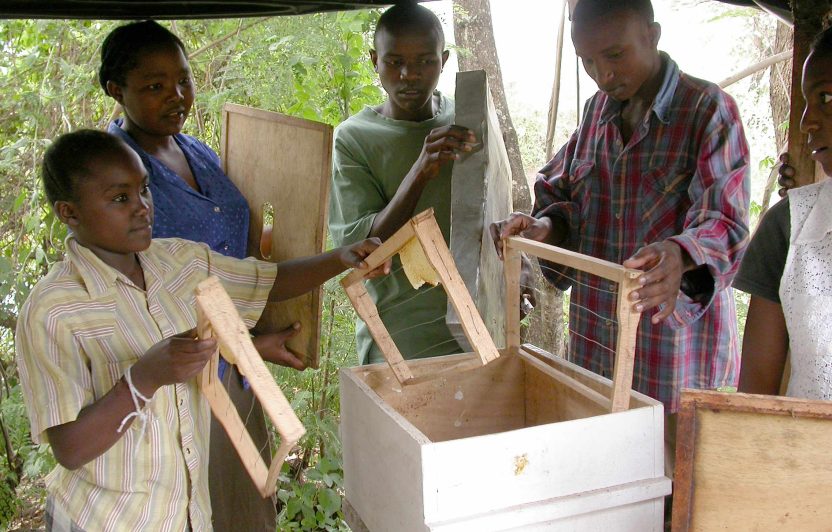
A total of 25 tree nurseries will be operated by local groups, producing more than 15,000 seedlings annually, including mangrove species and other multifunctional trees. 20 new beekeeping groups will be trained in sustainable apiculture and the processing of bee products. Women and youth will be actively included and supported.


Two cooperatives – one on Unguja and one on Pemba – will improve their members’ income opportunities through joint marketing, product refinement, certification, and sales. The aim is for these cooperatives to eventually become self-sustaining and contribute to the restoration of degraded ecosystems.
Donate now

With your support, you make a significant contribution to fighting hunger and poverty, building confidence and strengthening self-determined living. The ZEWO seal of approval guarantees a conscientious and cost-conscious use of your donations.

CHF
CHF
CHF
CHF custom amount

More about this or similar projects

Agriculture

Honey flows despite unrest, Corona and locusts

First the coronavirus pandemic, then a plague of locusts and finally the outbreak of a conflict in the neighbouring region – 2020 was a hard year for the participants of the Biovision project “Bees for Young Entrepreneurs” in Dehana, Ethiopia. But those responsible on the ground have managed to keep the successful project on track.
Agriculture

The female beekeepers of Dehana

Although gender equality is fundamental to Biovision development projects, it is often challenging to promote women.
Agriculture

Sweet temptation: A field report

The Biovision project “Beekeeping for Young Companies” in Sekota, Ethiopia was launched in 2018. The people there learn entrepreneurial thinking through training sessions that help them secure their livelihood. A field report by Nina Zenklusen, who visited a Biovision project on site for the first time.
Agriculture

A plus in biodiversity and income thanks to bees

Bees pollinate up to 80% of all plants and so are amongst the most important working animals in agriculture. In addition, bees produce honey, a healthy food that improves the diet of smallholders and their families in sub-Saharan Africa and increases incomes.