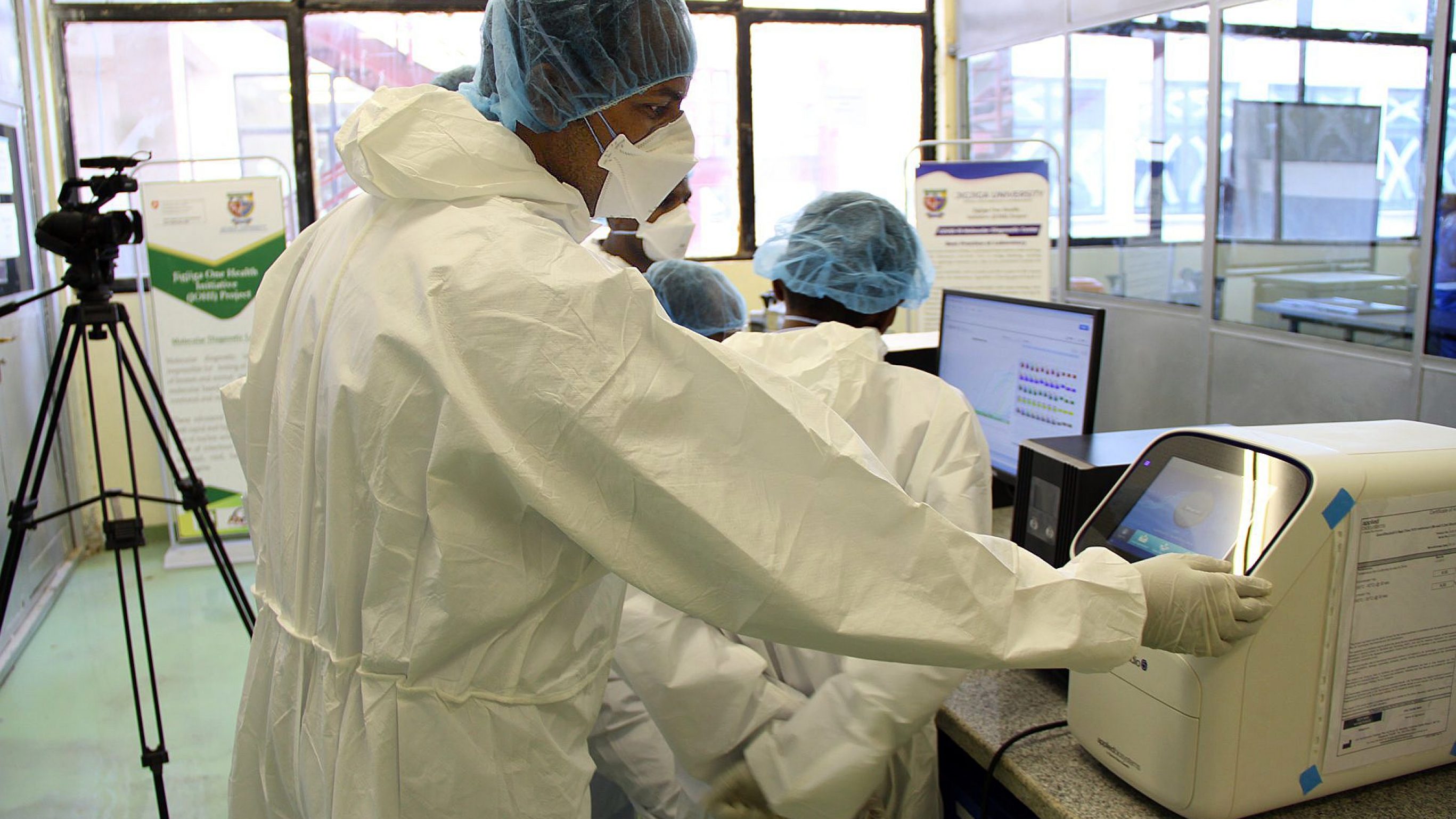
The request from the government of the Somali region in Ethiopia for a diagnosis of the coronavirus SARS-CoV-2 came on 24 March. Already three weeks later, the first tissue samples had been tested – fortunately all negative. Unfortunately, the situation has changed in the meantime. At the time of this article going to press (at the end of April) 130 cases of the disease Covid-19, caused by the coronavirus, was already detected, with 3 deaths. (Current data on coronavirus case rates can be found here.) The laboratory’s additional testing capacity upgrade is now all the more important. ‘The machine can easily handle 100 tests a day’, says Prof. Dr. Jakob Zinsstag from the Swiss Tropical and Public Health Institute (Swiss TPH), which is implementing the project supported by Biovision and the Swiss Agency for Development and Cooperation SDC, together with Jigjiga University and AHRI. ‘Biovision’s contribution is invaluable’, explains Zinsstag. ‘With it, we were able to train local experts and procure reagents for detecting the coronavirus.’
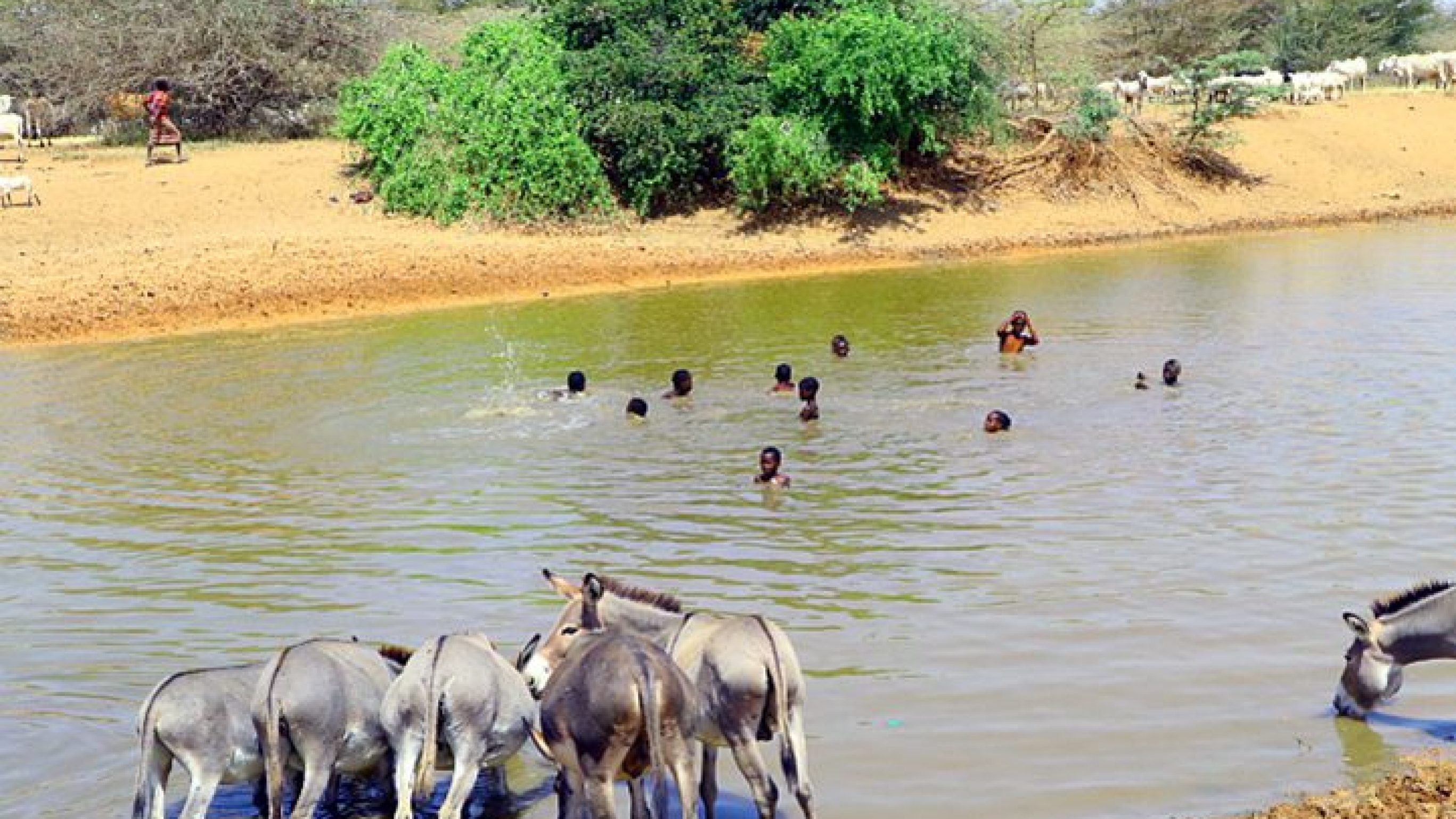
The new laboratory is part of the project ‘Information system for diseases and drought’. It was built for the early detection of diseases in animals and humans. Of particular interest are infections that are transmitted from animals to humans, so-called ‘zoonoses’. Rift Valley Fever, Q fever, brucellosis and anthrax are very common among pastoralists in the Somali region. Reasons include both the close coexistence of humans and animals and a lack of understanding about what causes the diseases. Because of this, the project places great importance on disseminating knowledge among the population and promoting changes in animal husbandry practices.
Jointly monitoring animal and human diseases should enable authorities to detect outbreaks earlier so that they may take appropriate measures. An information system for pasture land will also be integrated. In the event of drought, the herders and their herds should be organized in such a way that the limited grazing land can be used as efficiently as possible and without conflict.
In the Ethiopian Somali region, pastoralists and their animals are threatened by climate change and dangerous infectious diseases, with malnutrition and poverty as consequences. The project is part of a larger ‘One Health Initiative’. One Health promotes a holistic approach to promoting the health of people and animals. Mutual infections with infectious diseases often occur in pastoral communities. The currently rampant coronavirus SARS-CoV-2 was also initially transmitted from animals to humans in China. Improving human health must also include promoting animal and environmental health.